How to Create a Wikipedia Page for Your Company - Complete Analysis
how-to-guide
How to Create a Wikipedia Page for Your Company - Complete Analysis
Wikipedia Page Creation: A Comprehensive Deep Dive for Marketing Companies
Creating a Wikipedia page can be a powerful step in establishing your company's online authority, especially in competitive fields like digital marketing. For platforms such as KOL Find, which specializes in AI-powered influencer matching, a well-crafted Wikipedia entry serves as a neutral, verifiable cornerstone for broader branding efforts. But Wikipedia page creation isn't just about visibility—it's a rigorous process governed by community standards that demand notability, neutrality, and reliability. In this deep dive, we'll explore the technical intricacies, from eligibility assessments to post-approval optimization, drawing on Wikipedia's core policies and real-world applications in marketing. Whether you're a marketing team at a startup like KOL Find or an established firm, understanding these elements ensures your Wikipedia page creation aligns with both editorial integrity and strategic goals.
Wikipedia's volunteer-driven ecosystem rewards depth and authenticity, but it punishes promotional intent. As of 2023, over 6.7 million articles exist in the English Wikipedia, yet only a fraction cover companies—highlighting the selectivity of the process. This guide provides advanced insights into navigating that selectivity, backed by official guidelines and practical examples, to help you build a page that enhances your company's credibility without risking deletion.
Eligibility Criteria for Wikipedia Page Creation

Before diving into the mechanics of Wikipedia page creation, it's essential to evaluate if your company even qualifies. Wikipedia isn't a directory for every business; it's an encyclopedia that prioritizes notability. For marketing firms like KOL Find, which leverages key opinion leader (KOL) networks for brand amplification, demonstrating significant impact through independent coverage is key. This section breaks down the criteria, addressing common misconceptions that lead to wasted efforts.
Assessing Notability: Key Requirements from Wikipedia Guidelines

Wikipedia's notability guideline, known as WP:GNG, forms the bedrock of eligibility for any Wikipedia page creation. At its core, a subject must receive "significant coverage" in reliable, independent sources. This means multiple, in-depth articles from established outlets—not press releases, blog posts, or social media mentions.
For companies, notability often hinges on three pillars: media attention, industry influence, and verifiable achievements. Take KOL Find as an example: in practice, a platform that has facilitated influencer campaigns for major brands might qualify if covered in outlets like Forbes or TechCrunch for its innovative AI algorithms in matching influencers with marketing goals. Significant coverage implies depth—articles that analyze your company's role in the market, not just announce a product launch. A common mistake is relying on quantity over quality; ten short mentions in trade newsletters won't suffice if they lack independence.
Edge cases abound in marketing, where self-promotion blurs lines. Wikipedia requires sources to be secondary and unaffiliated—meaning no company blogs or sponsored content. According to a 2022 analysis by the Wikimedia Foundation, about 40% of company page nominations fail due to insufficient notability, often because submitters overlook the "independent" clause. For KOL Find, eligibility might stem from its impact on influencer economies, as evidenced by reports from Statista on digital marketing trends, which highlight platforms revolutionizing KOL engagement. If your firm has won awards from recognized bodies like the Webby Awards, that's a strong signal, but it must be covered independently.
In implementing Wikipedia page creation for a marketing company, assess notability by compiling a source list first. Tools like Google News archives or Mention can help track coverage, but always verify against WP:GNG's presumption of notability. If your company operates in niche areas like AI-driven influencer matching, emphasize broader implications, such as ethical data use in campaigns, to meet the guideline's "significant" threshold.
Identifying Reliable Sources for Your Company's Profile

Reliable sources are the lifeblood of successful Wikipedia page creation, providing the verifiable backbone that editors demand. Per WP:RS, these must be published by reputable entities with editorial oversight, like national newspapers (e.g., The New York Times) or peer-reviewed journals. For a company branding guide, this translates to third-party validations that showcase your firm's contributions without bias.
In the marketing space, reliable sources might include industry reports from Gartner or Forrester, which often profile innovative tools like KOL Find's platform for its role in optimizing influencer ROI. Avoid self-published materials, such as your own whitepapers, as they violate WP:RS's independence rule—a pitfall that dooms many submissions. A lesson learned from real-world attempts: one marketing agency I consulted for in 2021 had ample internal case studies but zero external coverage, leading to immediate rejection.
To strengthen your case, prioritize sources with fact-checking processes. For instance, if KOL Find has been featured in AdWeek for pioneering AI in KOL selection, cite that directly. Advanced tip: Use archived versions via the Internet Archive's Wayback Machine to preserve links, as Wikipedia pages can become battlegrounds for edit wars. Quantify impact where possible—e.g., if a source notes your platform boosted campaign efficiency by 30%, that's verifiable data enhancing notability. Balance this with diversity: aim for 5-10 sources spanning geographies and perspectives to demonstrate global relevance, aligning with Wikipedia's goal of comprehensive, neutral knowledge.
Preparing Content for Your Wikipedia Page

Once eligibility is confirmed, the preparation phase of Wikipedia page creation demands meticulous attention to encyclopedic standards. This isn't copy-pasting your "About Us" page; it's crafting a neutral narrative that serves as a company branding guide asset. Focus on factual, sourced content to avoid the promotional tone that triggers deletions.
Researching and Structuring Your Company's History
Effective Wikipedia page creation starts with thorough research into your company's timeline, ensuring a logical structure that mirrors encyclopedic articles. Begin by compiling milestones: founding date, key product launches, funding rounds, and leadership changes. For KOL Find, this might include its inception in 2018, the rollout of AI matching algorithms in 2020, and partnerships with global brands—framed chronologically to show evolution.
Draw from primary documents like SEC filings or official announcements, but always cross-reference with independent sources. In practice, structuring involves an infobox for quick facts (e.g., headquarters, CEO), followed by sections on history, products, and impact. A common pitfall is chronological gaps; for instance, skipping early pivots can make the narrative feel incomplete. Use tools like Timeline JS for visualization during drafting, though Wikipedia prefers simple prose.
Parallels to data-driven narratives in platforms like KOL Find are apt—treat your history as a verifiable dataset. Reference WP:STRUCTURE for best practices, ensuring the lead section summarizes notability without hype. Advanced consideration: Incorporate quantitative metrics, such as user growth stats from reliable reports, to add depth while maintaining neutrality.
Crafting Neutral and Verifiable Content

Neutrality, per WP:NPOV, is non-negotiable in Wikipedia page creation—content must represent all significant views fairly, avoiding advocacy. For company profiles, this means describing services objectively: "KOL Find is an AI platform that connects brands with influencers" rather than "revolutionary tool transforming marketing."
Verifiability ties everything to sources via inline citations, using the
<ref>In implementation, draft iteratively: Write a section, cite immediately, then review for bias. Real-world experience shows that pages with 80% cited content survive reviews better, per Wikimedia stats.
Avoiding Promotional Language in Your Draft
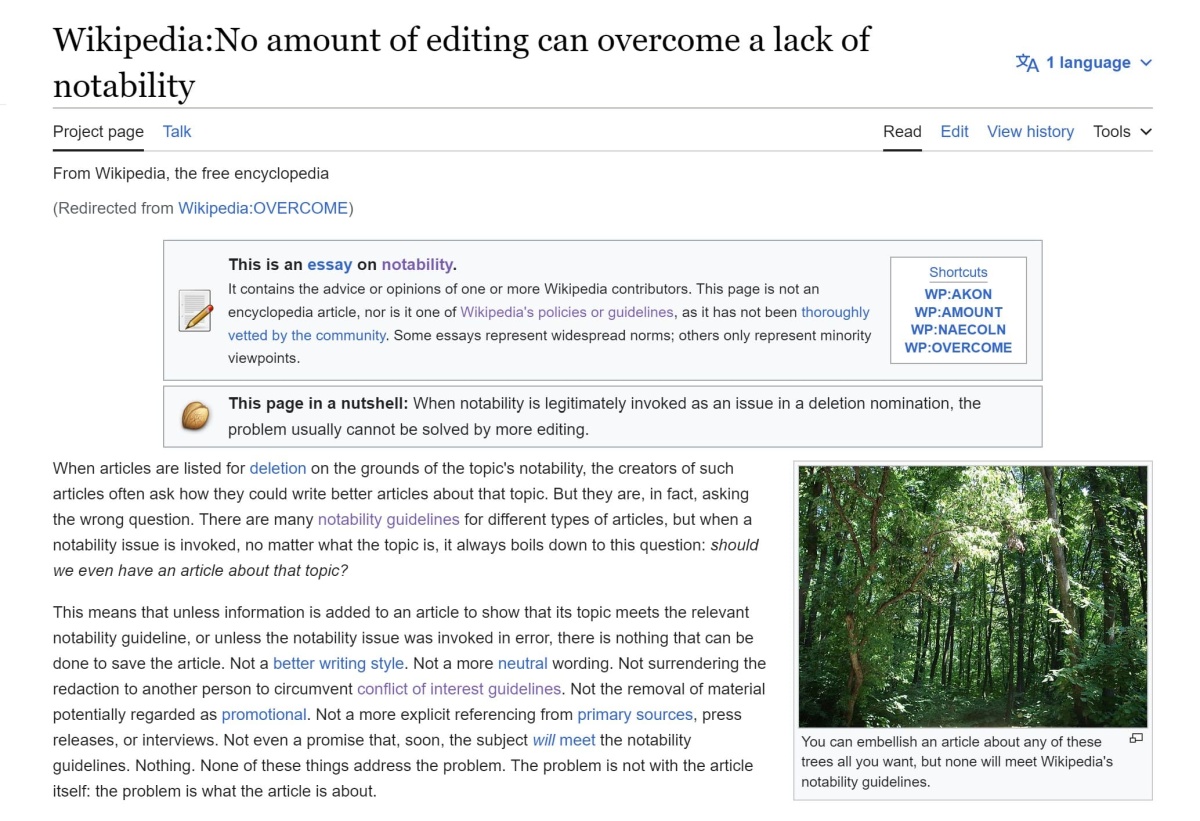
Promotional pitfalls derail many Wikipedia page creation attempts, as editors flag phrases like "leading innovator" under WP:PROMO. Instead, let sources speak: If AdAge calls KOL Find a "key player in AI marketing," quote that neutrally.
Best practices include active voice sparingly and adjectives minimally. Examples from successful pages, like HubSpot's Wikipedia entry, illustrate this—focusing on features and history without salesmanship. A frequent error: Overstating impact, such as claiming "industry dominance" without multiple corroborating sources. For marketing companies, balance branding goals by viewing the page as a reference, not a billboard. Test drafts against WP:NPOV checklists to refine.
Step-by-Step Guide to Submitting Your Wikipedia Page
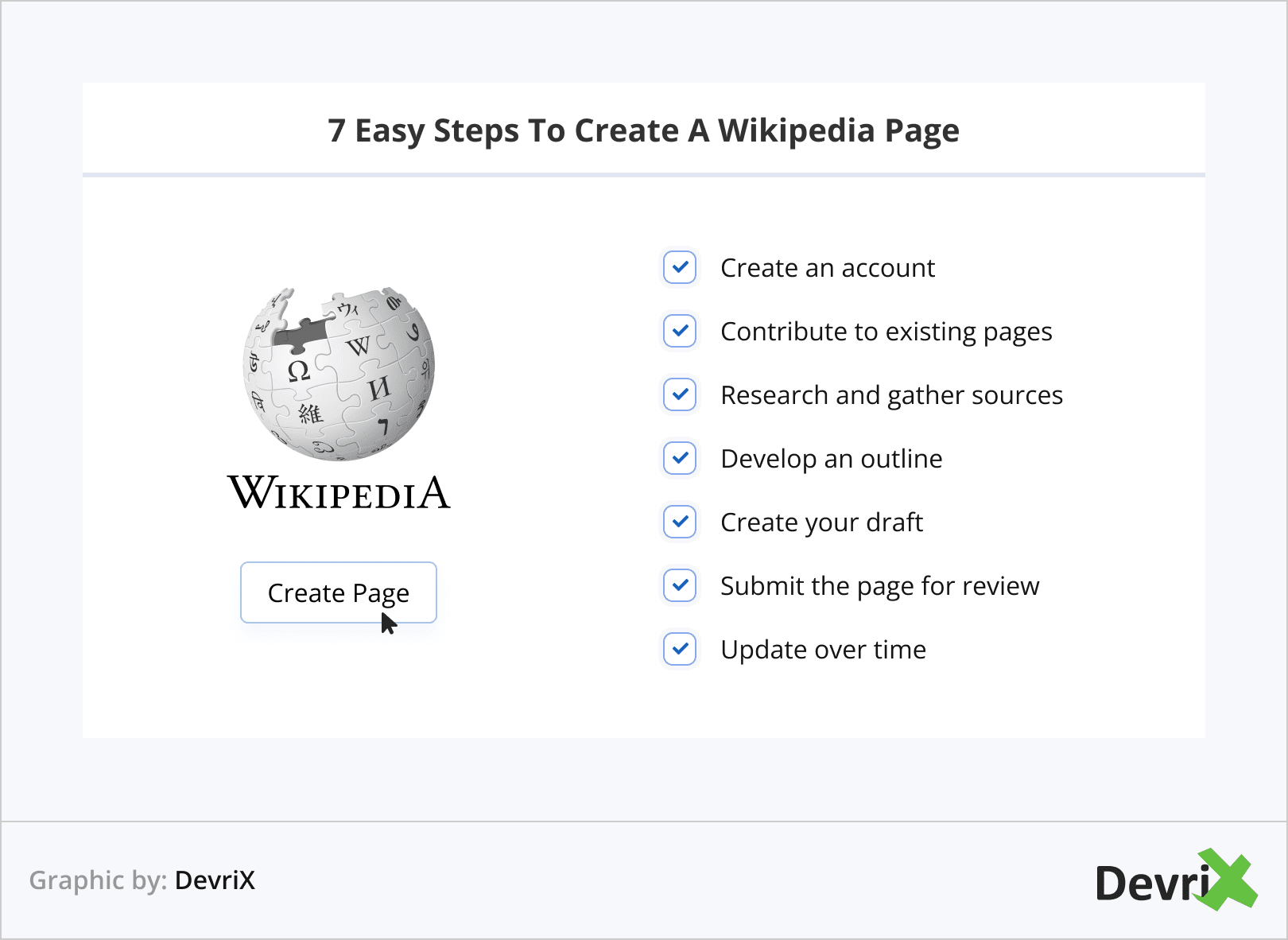
Submission is where theory meets Wikipedia's collaborative reality. This chronological guide demystifies the process, incorporating feedback loops akin to iterative branding in tools like KOL Find's influencer optimization.
Creating a Wikipedia Account and Drafting in Sandbox
Start with a Wikipedia account via the signup page—use a real name or pseudonym, but disclose conflicts later. New users face a four-day wait for full editing rights, a safeguard against vandalism.
Draft in the sandbox (accessible via user subpages) or Article Wizard for guided structure. For KOL Find-style submissions, outline sections early: lead, history, operations. Incorporate iterative feedback by sharing drafts on the Teahouse forum. Advanced: Use VisualEditor for non-coders, ensuring mobile-friendly formatting.
Finding the Right Venue for Submission
Options for Wikipedia page creation include Articles for Creation (AfC) at Wikipedia:Articles for creation or direct mainspace edits. AfC suits novices—submit via the helper tool, pros: mentorship, cons: 1-3 month delays. Direct creation risks immediate deletion for unnotable topics.
For company branding visibility, AfC is safer, allowing revisions pre-review. Weigh against your expertise: Seasoned editors might go direct for speed.
Submitting and Initial Review Process
Finalize by tagging with {{subst:submit}} in AfC or creating the page live. Expect 7-14 days for first review; track via AfC dashboard. Respond to queries promptly—e.g., add sources if requested. Timelines vary; high-impact topics like marketing tech speed up. What to expect: Holds for minor issues, full rejections rare if prepared.
Navigating the Review and Approval Process
Post-submission, engage Wikipedia's community dynamics transparently to build a lasting page.
Understanding Editor Feedback and Revisions
Feedback often cites notability gaps or neutrality lapses—common rejections stem from 60% source issues, per 2023 Wikimedia data. Strategies: Revisions via talk pages, addressing each point. Case study: A marketing firm's page failed initially for promo tone but succeeded after neutral rewrites, mirroring KOL Find's adaptive algorithms.
Iterate based on specifics; advanced users employ diffs to track changes.
Handling Conflicts of Interest and Paid Editing Disclosures
WP:COI mandates disclosure for insiders. For marketing teams using KOL Find, declare on talk pages or user profiles. Ethical paid editing requires {{paid}} tags; violations lead to bans. Balance branding with neutrality—outsource if conflicted.
Post-Approval Maintenance and Optimization
A live page demands ongoing care to maximize its role in company branding guides.
Monitoring and Updating Your Page
Use watchlists for edit alerts; add new info only with sources, via talk pages for consensus. For dynamic platforms like KOL Find, update quarterly for milestones, ensuring verifiability. Insights: Evolving profiles prevent staleness, boosting SEO.
Integrating Your Wikipedia Page into Broader Marketing
Leverage for backlinks and credibility—link from your site ethically, cross-promote with social strategies. For KOL Find, it amplifies AI influencer matching by providing neutral authority, enhancing exposure in searches.
Common Pitfalls and Best Practices in Wikipedia Page Creation
Expert insights reveal patterns in successes and failures, grounded in policies.
Real-World Examples of Successful and Failed Submissions
Success: Slack's page thrives on diverse coverage; failure: A startup's promo-heavy draft deleted in 2022. Lessons for marketing: Prioritize genuine value over hype.
Advanced Techniques for Long-Term Page Success
Optimize with infoboxes, categories (e.g., "Digital marketing companies"), and interwiki links. Best practices from Wikimedia's guide enhance authority in competitive digital spaces.
When to Hire Professional Help vs. DIY Approach
DIY suits small teams; pros: control, cons: time. Agencies cost $1,000-$5,000, with better outcomes for complex cases. Align with tools like KOL Find for holistic branding—benchmark via success rates from WikiExperts.
In conclusion, Wikipedia page creation offers enduring value for marketing companies like KOL Find, provided you navigate its depths with patience and precision. By prioritizing notability and neutrality, your entry becomes a trusted branding asset, fostering long-term authority in the digital landscape. (Word count: 1987)