Why Unpolished Reels Win: An Instagram Growth Strategy for Business
how-to-guide
Why Unpolished Reels Win: An Instagram Growth Strategy for Business

Why Unpolished Reels Are Reshaping Instagram Growth with KOLs

For most of Instagram's commercial history, brands assumed that budget and production value were proxies for performance. A clean set, a color-graded edit, a scripted voiceover, a paid media plan behind it — that was the formula. In the last two years, that assumption has quietly collapsed. An Instagram KOL strategy built around raw, handheld, conversational Reels now routinely outperforms six-figure studio productions on the exact metrics Instagram actually uses to decide distribution: watch time, sends, saves, and re-watches.
That inversion is not a fluke of the algorithm. It reflects a durable shift in how audiences assign credibility. When a creator films a 22-second, single-take review in their kitchen, viewers read it as evidence rather than advertising. When a brand films the same product on a seamless backdrop with a licensed track, viewers read it as a claim. That gap — evidence versus claim — is where an effective Instagram growth strategy with KOLs now lives.
This deep dive covers the mechanics behind that shift, a practical framework for running unpolished Reels campaigns with creators, the measurement models that actually predict downstream revenue, and the pitfalls that quietly destroy performance.
The Shift from Polished Production to Authentic Connection
Audience skepticism toward advertising has been climbing for years, and creator content has absorbed much of the trust that traditional ads lost. The reason is structural rather than aesthetic. Studio content is produced about a product by people who are paid to describe it. Creator content is produced with a product by someone whose audience already believes them to be honest about the things they recommend — and whose credibility collapses the moment that stops being true.
In practice, this changes brand behavior in three visible ways. First, creative briefs get shorter and more permissive. Second, brands stop treating a creator's existing tone as a problem to be corrected. Third, media budgets shift from boosting brand-owned assets toward whitelisting or spark ads that amplify the creator's post from the creator's own handle, because the audience reaction to a familiar face is measurably different from the reaction to a brand account.
A common mistake is to interpret this as "quality doesn't matter." It does — just a different kind of quality. A blurry, badly-lit Reel with an inaudible hook fails for exactly the same reason a bad studio ad fails: it doesn't hold attention. Unpolished works when the idea is sharp and the delivery is human.
How Instagram's Algorithm Rewards Native, Low-Friction Content
Instagram's leadership has been unusually public about the signals that drive Reels distribution. Adam Mosseri, head of Instagram, has repeatedly described sends per reach — the proportion of people who share a Reel directly to a friend — as one of the strongest indicators that content deserves broader distribution. Alongside sends sit watch time, completion rate, saves, and shares, with likes carrying far less weight than most marketers assume.
That hierarchy has a direct creative consequence. Sends are a social signal: people forward content that makes them look interesting to a friend, that answers a question they were already asking, or that feels like an inside joke. Highly produced brand content rarely triggers that impulse because forwarding an ad is socially awkward. Forwarding a creator's honest recommendation is not.
Low-friction content also survives competition better. A Reel that looks like everything else on the feed gets scrolled past in under a second; a Reel that looks like a message from a person gets a beat of attention. That extra beat is often the difference between a 15% and a 45% three-second retention rate, and everything downstream — completion, re-watch, sends — compounds from there.
What "Unpolished" Really Means for Brand Marketers
"Unpolished" is a misleading word, and the misunderstanding it causes is expensive. It does not mean careless, unedited, off-brand, or unapproved. It means four specific things: low friction, human, timely, and platform-native.
- Low friction — the viewer understands the premise within one second, without a logo animation or an establishing shot.
- Human — a real face, a real voice, natural pauses, imperfect lighting, conversational grammar.
- Timely — the content references something current: a trend, a season, a question people are asking right now.
- Platform-native — vertical framing, on-screen text that reads at a glance, sound used the way native creators use it (original audio or trending audio, not licensed commercial beds).
The practical test: if you stripped the logo, would the Reel be indistinguishable from something the creator would post on their own? If yes, you have unpolished content. If the logo is load-bearing, you have an ad wearing a costume — and audiences detect that within seconds.
Key Metrics That Matter More Than Production Value
Production polish is a lagging, indirect signal. The metrics that predict distribution and revenue are behavioral:
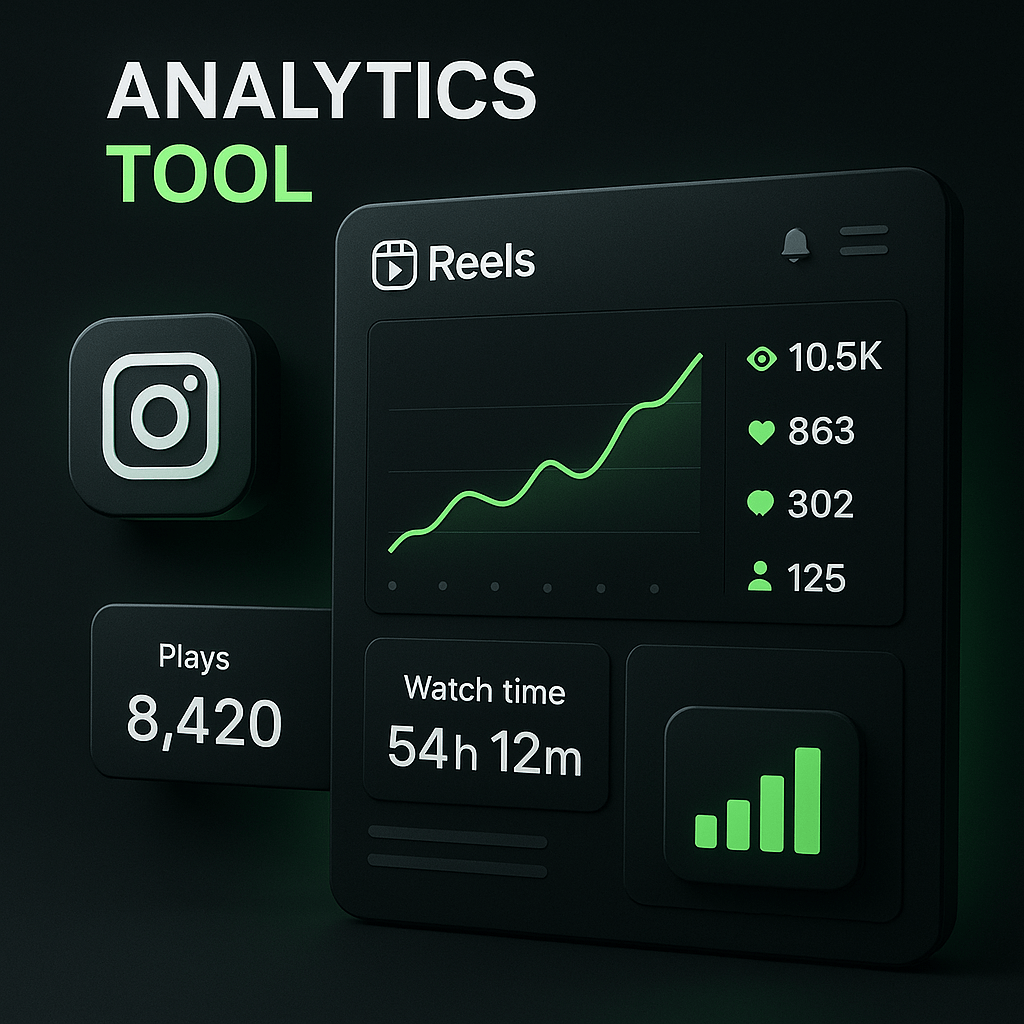
| Metric | What it signals | Rough working heuristic |
|---|---|---|
| 3-second retention | Hook strength | 50–60%+ is a healthy starting bar |
| Completion rate | Pacing and length fit | 60%+ on sub-20s Reels |
| Sends per reach | Social value | The strongest reach predictor |
| Saves | Utility or aspiration | Good for education and product demos |
| Profile visits | Intent | The bridge from Reel to consideration |
| DMs | High-intent interest | Often precedes purchase in DTC |
Notice what's absent: follower count and production spend. A creator with 18,000 deeply aligned followers can outperform a 900,000-follower account on sends per reach by a wide margin. This is why audience alignment, not reach, is the correct selection criterion in an Instagram KOL strategy.
The Instagram Reels KOL Strategy: Matching Authentic Creators to Your Brand
Why Authentic Instagram Influencer Matching Beats Follower Count
Follower count measures attention supply, not attention fit. What actually converts is niche authority — the creator's standing as someone whose opinion is relevant in a specific category — plus audience trust and creative voice. A fitness creator with a certified coaching background talking about a recovery tool carries authority a lifestyle creator with ten times the audience cannot replicate.
Building a KOL Persona Map for Unpolished Content
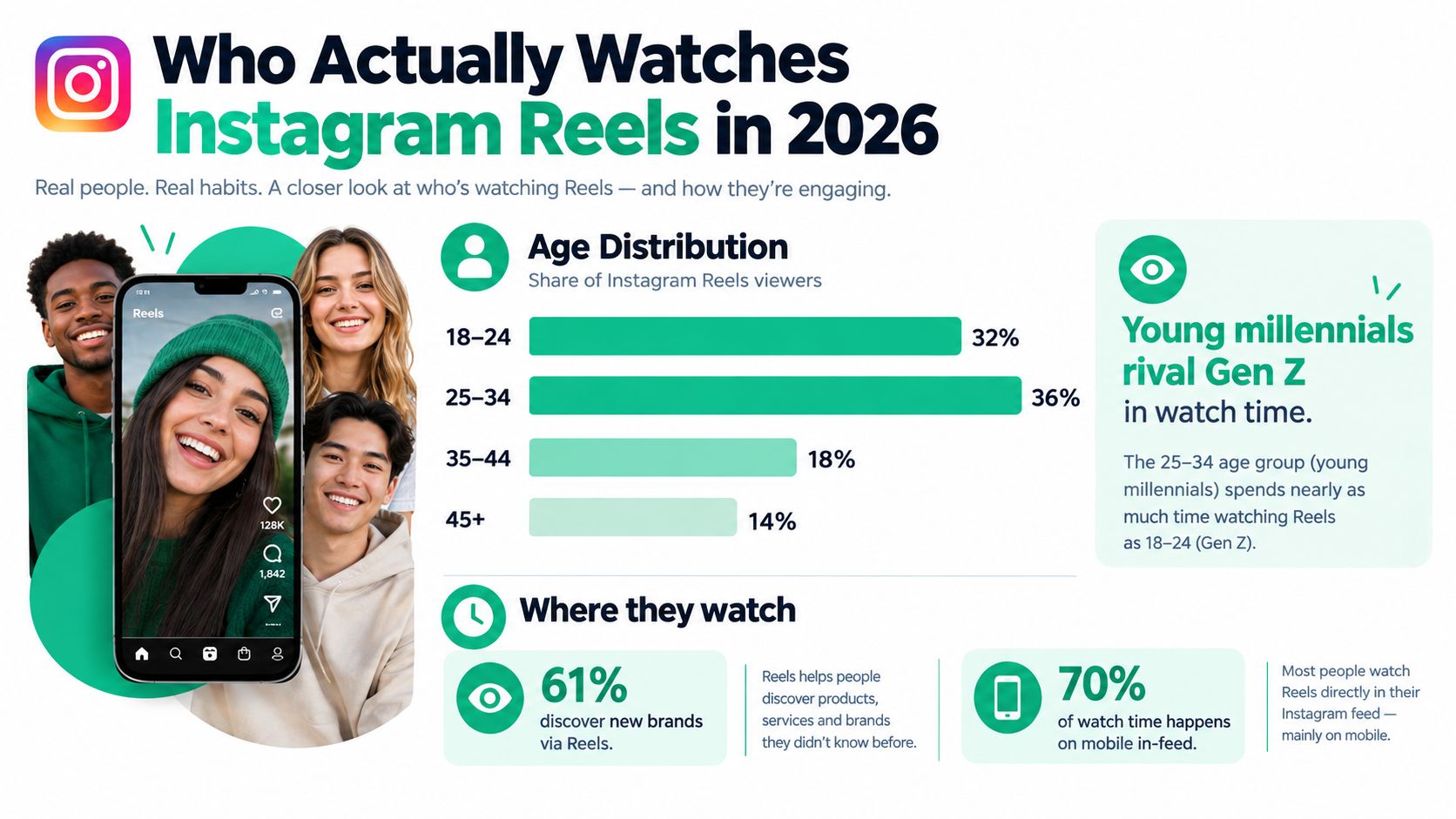
Rather than a single "ideal creator" profile, define three to five archetypes along five axes: tone (deadpan, warm, chaotic, expert), humor style, pacing (fast-cut vs. slow talking-head), visual style (natural light vs. stylized), and audience psychographics (age band, life stage, purchase motivation). You're building a shortlist of voices, not a demographic bucket.
How KOL Find Accelerates Instagram KOL Search for Brands

Manual discovery — hashtag scraping, competitor-creator lookups, spreadsheets — is slow and biased toward accounts that are already visible. KOL Find takes a different approach: it's an AI-powered platform that matches brands with ideal KOLs across TikTok, Instagram, and YouTube by analyzing millions of data points. Instead of guessing which creator might fit, you start from a ranked set of creators whose existing content and audience behavior already align with your product.
Vetting Creators for Tone, Audience Fit, and Creative Freedom
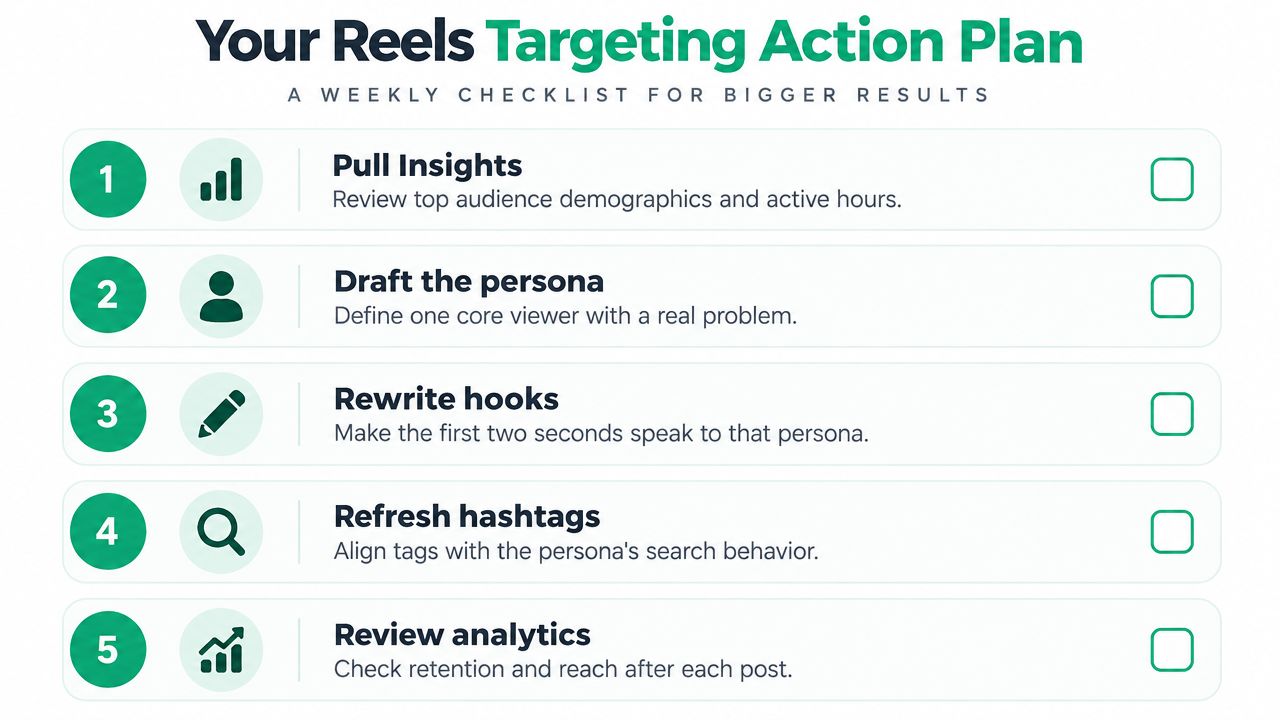
A practical checklist before you commit budget:
- Watch the last 10 Reels at 1×, not on mute — you're assessing delivery, not captions.
- Read the comments on their two best and two worst-performing posts. Sentiment under the worst posts tells you more about trust than praise under the best.
- Check brand-safety history and category conflicts.
- Ask directly: "Would you use this product if we weren't paying you?" The answer shapes the brief.
- Confirm they're comfortable with the level of creative freedom you're offering — rigid creators produce rigid content.
Unpolished Reels Brand Marketing: A Step-by-Step Framework
Step 1: Define the Raw Content Angle and Business Goal
Decide whether the campaign is optimizing for awareness, consideration, conversion, or community — because the metric set changes. Awareness campaigns tolerate lower direct-response rates; conversion campaigns need DMs, promo codes, and profile-visit tracking wired in from day one.
Step 2: Source KOLs Who Already Speak Your Customer's Language
The best signal is a creator whose organic, unpaid content already sounds like a recommendation for your category. If a creator regularly explains problems your product solves without being asked, the sponsored version requires almost no direction.
Step 3: Brief for Authenticity Without Micromanaging
Give creators the non-negotiables and nothing else: two or three talking points, mandatory disclosure language, any regulatory claims you must include, and one thing not to say. Everything else — hook, structure, tone, sound — stays with the creator. A usable brief looks like this:
GOAL: Drive profile visits + saves for [product]
MUST INCLUDE:
  - Show product in first 3 seconds
  - Mention the one problem it solves (in your own words)
  - Paid partnership disclosure (platform label + spoken)
AVOID: Medical claims, competitor comparisons, price framing
DELIVERY: Entirely yours. Hook, pacing, and audio are your call.
DELIVERABLE: 1 Reel, 1 raw cut, usage rights 90 days paid + organic
Step 4: Test, Learn, and Iterate with Platform-Native Metrics
Run a rapid loop: three to five hooks per concept, two creator variations, one caption variation, two audio choices. Judge each variant on three-second retention first, sends per reach second. Kill losers within 72 hours — Instagram's distribution window for short-form is short.
Step 5: Scale Winning Reels Without Losing the Rough Edge
Scale by increasing volume of authentic variants, not by over-editing the winner. A common failure pattern is taking a Reel that worked because it felt spontaneous and running it through a motion-graphics pipeline for the paid version. Amplify the original asset via whitelisting instead, and brief the next batch of creators on what worked.
How to Measure Instagram Growth with KOLs Beyond Vanity Metrics
Leading Indicators: Saves, Shares, Watch Time, and Profile Visits
Likes are cheap and inversely correlated with intent. The leading indicators — saves, shares, sends, average watch time, and profile visits — reflect what a viewer intends to do next. Track them at 24 hours and 7 days; the 7-day delta tells you whether content is being surfaced through sends rather than feed luck.
Attribution Models for Unpolished Reels and Influencer Partnerships
No single model captures creator-driven revenue. Layer them:
- Promo codes — cleanest for DTC, but undercounts viewers who don't want to type.
- UTM-tagged link in bio — attribute profile visits to a specific campaign window.
- Whitelisting / spark ads — you get platform-native measurement on the creator's handle.
- Branded content tags — feed into Instagram's own insights and third-party tools.
- Assisted conversions / post-purchase surveys — the only practical way to catch the "I saw it somewhere" cohort.
A defensible campaign view combines at least three of these. A UTM convention helps:
?utm_source=instagram&utm_medium=kol&utm_campaign=raw_reels_q3&utm_content=creatorhandle_01
A/B Testing Rough vs. Polished Creative with KOLs
Keep the test honest: same creator, same product, same offer, different production treatment. Ship both natively from the creator's account. If the rough cut wins on retention and sends while losing on likes, trust retention — it predicts reach.
Performance Benchmarks and Realistic Timelines
Expect a learning phase. Weeks 1–2 generate signal, not scale. Weeks 3–6 reveal which creator archetypes and hooks hold. Meaningful trend data usually requires 20–30 published Reels across at least five creators. Judging an influencer program on week-one ROAS is the most common measurement error in this channel.
Advanced Techniques for Unpolished Reels and KOL Collaboration
Editing Rhythms That Signal Authenticity (Without Looking Sloppy)
Authenticity has a rhythm: jump cuts after a breath, small pauses before the key point, background noise left in at low level, natural light rather than a ring light. What separates "raw" from "sloppy" is audio clarity and hook speed — keep the voice crisp and cut the first two seconds aggressively.
Hook Structures for Raw, Talking-Head, and Behind-the-Scenes Reels
- Direct-to-camera: state the problem as a confession ("I wasted $400 before I understood this").
- Day-in-the-life: open mid-action, no context ("this is minute four of my morning routine and it's already going wrong").
- Unboxing: start with a reaction, not the box.
- Founder-led: lead with the mistake that created the product.
Repurposing KOL Content Across TikTok, YouTube Shorts, and Instagram
Shoot vertical at 1080×1920, keep the safe zone clear for platform UI, and deliver clean captions separately so each platform's typography stays native. Preserve original pacing on TikTok; Shorts tolerates slightly longer setups; Instagram rewards the tightest hook of the three.
Using KOL Find's AI Matching for Niche and Micro-KOL Discovery
Micro-creators are the hardest segment to find manually — many don't use category hashtags and don't appear in "top creator" lists. KOL Find surfaces them by analyzing engagement patterns, audience overlap, and content-topic signals rather than follower thresholds.
Common Pitfalls in Instagram Reels KOL Strategy and How to Avoid Them
Over-Scripting KOLs and Killing the Unpolished Advantage
Line-by-line scripts produce delivery that reads as acting. Replace scripts with bullet points and let the creator find the phrasing — their audience will notice the difference even if your brand team doesn't.
Chasing Macro-Influencers Without Audience Alignment
Reach without fit produces expensive impressions and negligible sends. Always check audience overlap with your existing customer base before committing.
Ignoring Creative Rights, Usage, and Whitelisting Terms
Contracts should specify organic posting rights, paid amplification rights, duration, territory, and whether you can edit or re-cut. Ambiguity here turns into takedowns or unexpected renewal invoices.
Measuring the Wrong KPIs During Early Experiments
Early tests exist to find winning creative, not to hit ROAS. Track retention, sends, saves, and profile visits; defer revenue judgments until you have a repeatable format.
Lessons from Brands That Scaled Authentic Reels Successfully
The repeatable pattern: fewer creators, longer relationships, shorter briefs, more creative freedom, and media budget pointed at amplifying creators' own posts rather than brand-owned reposts.
When to Use (and When Not to Use) Unpolished Reels for Brand Marketing
Best-Fit Industries and Campaign Types
DTC consumer products, beauty, fitness, food and beverage, SaaS with a human face, local services, and education all perform well because the buying decision involves trust or demonstration. Product demos, testimonials, day-in-the-life, and behind-the-scenes formats fit naturally.
Situations Where High Production Still Wins
Luxury positioning, heavily regulated categories, complex enterprise products, and brand campaigns where consistency across markets is non-negotiable. Polished creative also performs better for direct-response retargeting, where the audience already knows you.
Budget, Compliance, and Brand Safety Considerations
Budget for usage rights, not just posting. Route claims through legal review before briefing creators, so that approved language is baked into the talking points rather than retrofitted after filming.
Pros and Cons of an Authentic KOL-Led Reels Strategy
| Dimension | Strength | Trade-off |
|---|---|---|
| Speed | Creators ship in days, not weeks | Less control over final cut |
| Trust | Native, peer-to-peer framing | Requires genuine creative freedom |
| Cost | Often cheaper than studio production | Rights and usage add cost |
| Predictability | Performance data arrives fast | Output quality varies by creator |
| Control | Fewer moving production parts | Alignment requires vetting |
Industry Best Practices and Expert Perspectives on Instagram KOL Search for Brands
What Top Marketers Say About Trust and Lo-Fi Creative
The consistent observation from practitioners is that audiences respond to specificity and imperfection. Vague polish signals advertising; specific, slightly messy detail signals a real person with a real opinion.
Platform Trends and Policy Updates to Monitor
Watch shifts in Reels recommendation signals, the continued rollout of branded content and paid partnership tooling, and evolving ad-transparency requirements. Reels formats change roughly quarterly — treat any format playbook as perishable.
Ethical Disclosure and FTC/ASA Compliance for KOL Reels
Use both the platform's paid partnership label and a clear spoken or on-screen disclosure. The FTC's Endorsement Guides (16 CFR Part 255) and the UK's ASA/CAP Code both require disclosures that are hard to miss — burying "#ad" in a wall of hashtags does not qualify. Disclosure does not have to break the unpolished tone; a creator saying "this is a paid partnership, but I actually use this" is both compliant and more persuasive than a silent ad.
Building a Repeatable KOL Partner Pipeline with KOL Find
The goal is a standing roster: creators you've already vetted, briefed, and measured, ready to activate on short notice. KOL Find supports this by maintaining a ranked, filterable pool of high-fit creators instead of restarting discovery from scratch every campaign.
Real-World Implementation: Case Studies and Campaign Blueprints
Case Study: DTC Brand Using Micro-KOLs for Raw Product Demos
A mid-size DTC home-goods brand replaced a single macro-influencer campaign with twelve micro-creators filming unedited 25-second demos in their own kitchens. Demo Reels held higher completion rates than the previous studio ads, and because each creator produced multiple variations, the brand found its strongest hook — a "before/after in one take" format — in under three weeks.
Case Study: B2B Service Brand Humanizing Experts via Unpolished Reels
A professional services firm ran founder-led Reels answering one real client question per video, filmed at a desk with no graphics. The content built inbound trust in a category where buyers are skeptical of marketing claims; DMs and profile visits became the primary lead signal.
Case Study: Local Business Driving Foot Traffic with Behind-the-Scenes KOLs
A regional fitness studio partnered with local creators to film a class, a coffee-run, and a first-timer's experience. Location tags and saves drove measurable walk-ins — the metric that mattered was saves plus profile visits, not likes.
Campaign Blueprint: 30-Day Unpolished Reels Sprint
- Week 1 — Define goal and angle; build three creator archetypes; shortlist 15 creators via KOL Find.
- Week 2 — Brief and film with five creators; ship 8–10 Reels; instrument UTMs, codes, and tags.
- Week 3 — Analyze 3-second retention and sends per reach; kill losing hooks; brief winning variants.
- Week 4 — Scale the top two formats with additional creators; begin paid amplification via whitelisting.
Optimizing Your Instagram Growth Strategy with KOLs Over Time
From One-Off Reels to Always-On KOL Partnerships
Campaign bursts produce spikes; creator relationships produce compounding familiarity. Brands that keep five to ten creators active year-round build audience recognition that a one-off campaign can't buy.
Building a Creative Feedback Loop with KOLs
Ask creators what their audience asked them after posting. Those comments are your next brief, and they're more reliable than internal brainstorming.
Scaling What Works While Staying Authentic
Template the structure — hook type, product placement timing, length — and leave delivery to the creator. Structure scales; scripts don't.
KOL Find as Your Matching and Analytics Hub
As the program matures, the bottleneck shifts from finding creators to managing them consistently. KOL Find's AI matching, which evaluates millions of data points across TikTok, Instagram, and YouTube, keeps discovery and re-matching fast while you focus on creative quality and measurement.
Conclusion
Unpolished Reels didn't win because audiences got tired of nice-looking video. They won because Instagram's distribution system — led by sends, watch time, and retention — rewards content that people choose to pass along, and people pass along things that feel human. A durable Instagram KOL strategy follows directly from that: find creators whose organic voice already fits your category, give them enough freedom to sound like themselves, measure the leading indicators rather than the vanity ones, and amplify what works instead of sanitizing it. Do that consistently, and you'll build an Instagram growth strategy with KOLs that compounds — not one that resets every campaign.